
The giant fire tornado that could save our oceans
1 min read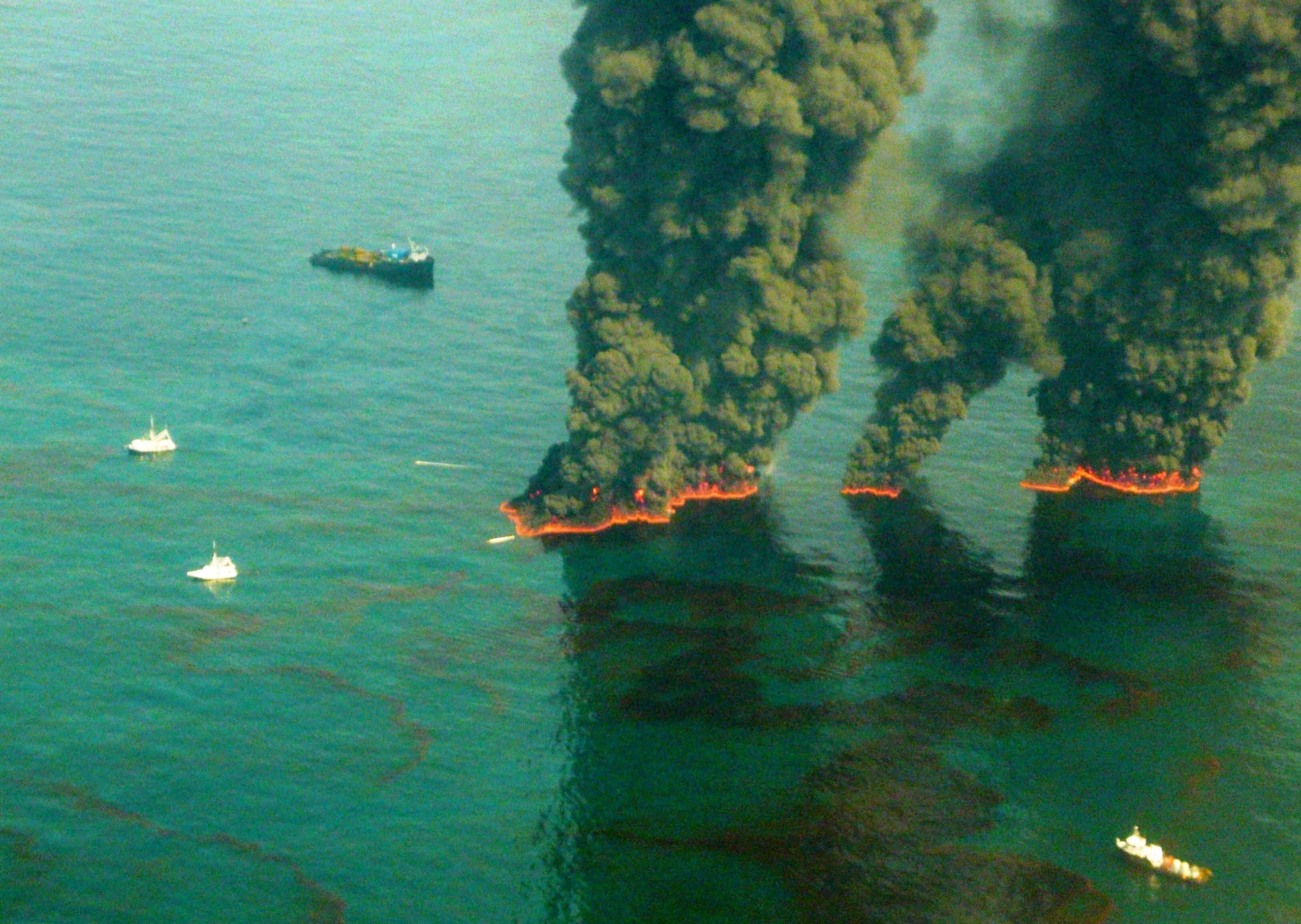
Photo: Clouds of smoke billow up from controlled burns taking place in the Gulf of Mexico May 19, 2010. The controlled burns were set to reduce the amount of oil in the water following the Deepwater Horizon oil spill. Photo credit: DVIDS photo by Chief Petty Officer John Kepsimelis, U.S. Coast Guard / Wikimedia Commons. Public Domain. Article by Zaid Elayyan. Texas A&M University – February 16, 2026. Research article: Fuel.
In the frantic hours following an offshore oil spill, emergency responders face a destructive decision: let the oil spread or ignite it. Once ignited, it creates an ‘in-situ’ fire pool that stops the oil from spreading and poisoning marine ecosystems — but it comes at a heavy cost. Thick, black smoke billows into the sky, toxic soot enters the atmosphere and a layer of unburned sludge is left behind on the ocean’s surface. […]
Click here to view original web page at www.stories.tamu.edu
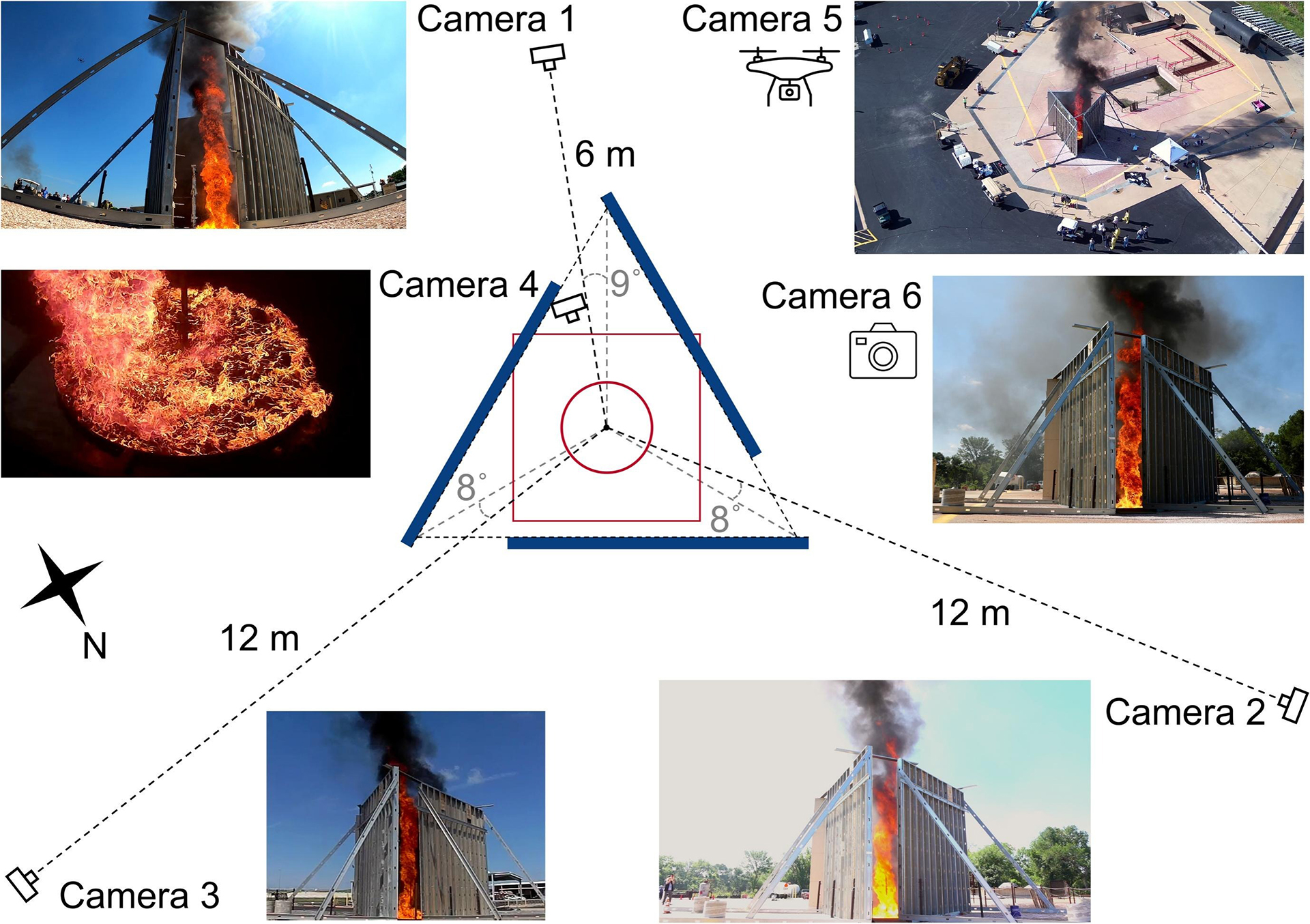
Image caption: The research team engineered a setup of three 16-foot-tall walls placed in a triangular pattern, to twist airflow around an ignited crude-oil-coated pool of water. The result: a nearly 17-foot-tall fire tornado that burned oil spills faster and cleaner than fire pools. Image credit: Dr. Elaine Oran/Texas A&M University College of Engineering.


 GOOG
GOOG
 IBM
IBM
 AMZN
AMZN AAPL
AAPL DELL
DELL INTC
INTC MSFT
MSFT TSLA
TSLA META
META EBAY
EBAY NVDA
NVDA NFLX
NFLX HPE
HPE LUMN
LUMN ORCL
ORCL