
Next-Generation Pesticide Disrupts Bumblebee Reproduction
1 min read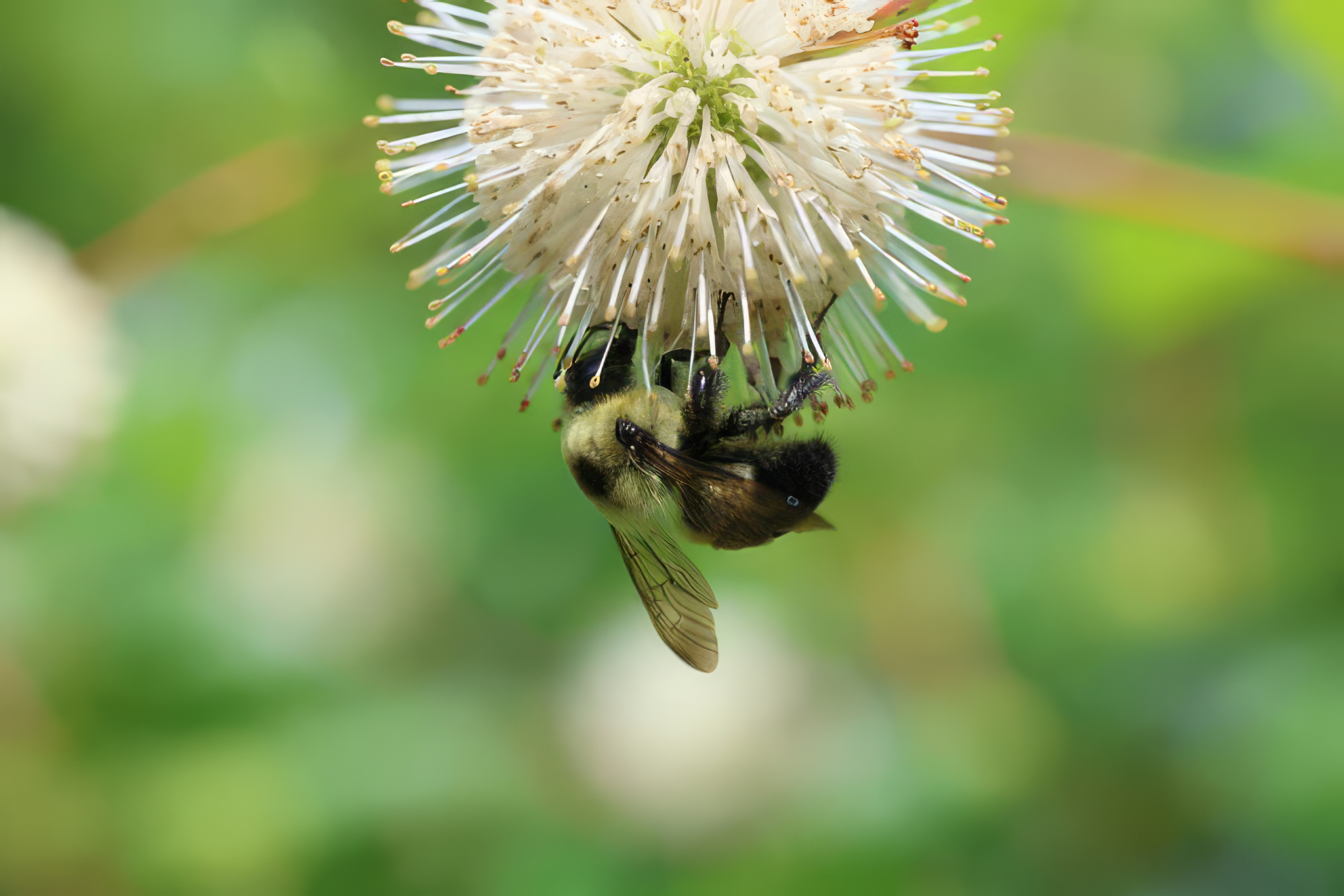
Photo credit: Sarah Orr. News release: Tess Malone. Georgia Institute of Technology – June 22, 2026. Research article: Ecotoxicology and Environmental Safety.
Bumblebees are only an inch long, but they help power the global food system. Roughly one-third of the food we grow depends on pollinators like bees — and those bees are regularly decimated by pesticides. Modern pesticides have helped boost crop yields, but they can also harm the insects that make those yields possible. Sulfoxaflor, a next-generation pesticide introduced in 2013, kills sap-feeding pests like aphids in crops, including soybeans and corn. Sulfoxaflor is also known to be toxic to bees. Scientists are still working to understand how low-dose exposure affects bee reproduction at the molecular level. […]
Click here to view original web page at www.news.research.gatech.edu





 GOOG
GOOG
 IBM
IBM AMZN
AMZN AAPL
AAPL
 DELL
DELL INTC
INTC MSFT
MSFT TSLA
TSLA META
META EBAY
EBAY NVDA
NVDA NFLX
NFLX HPE
HPE LUMN
LUMN ORCL
ORCL