
Next-Generation Pesticide Disrupts Bumblebee Reproduction
1 min read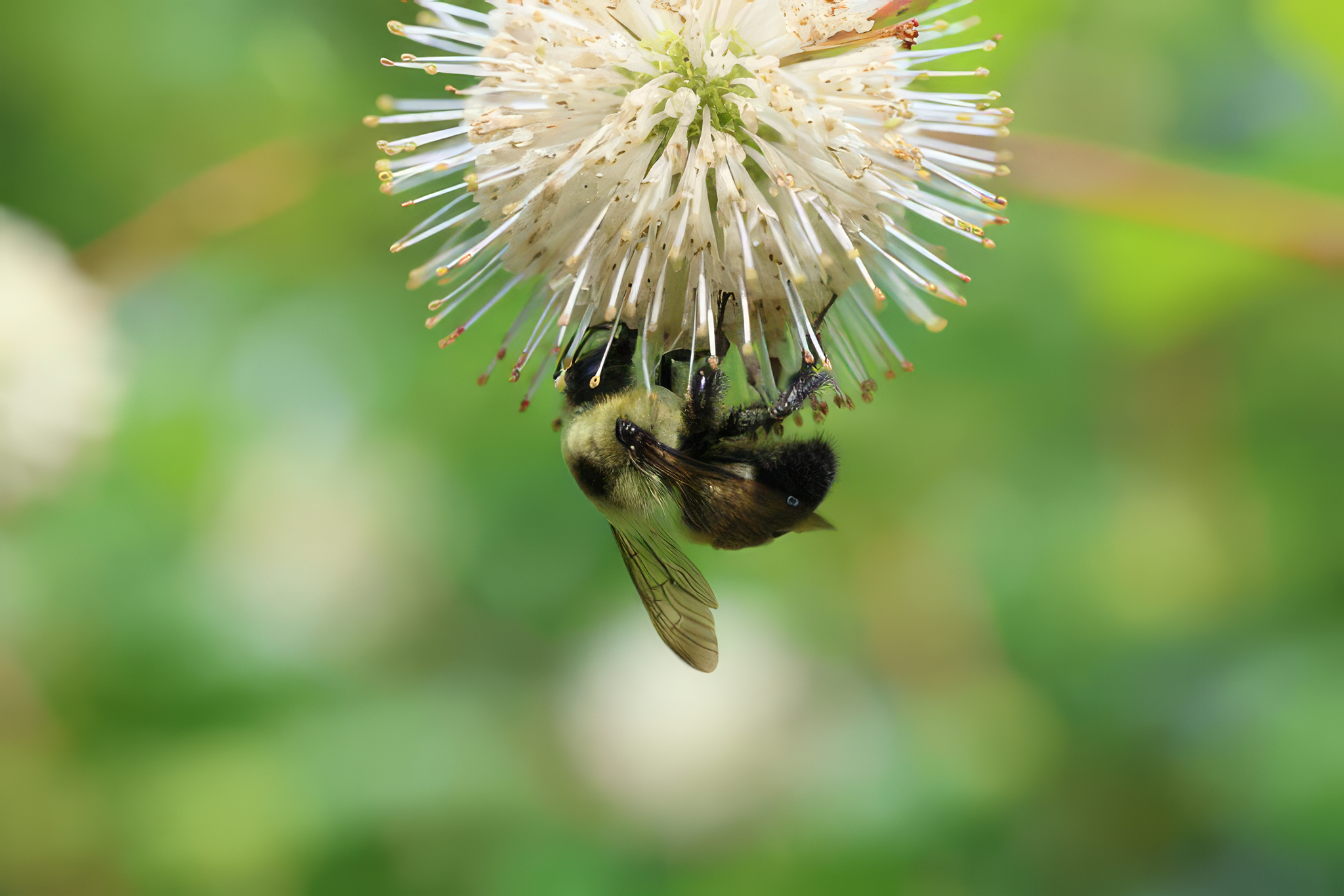
Photo credit: Sarah Orr. News release: Tess Malone. Georgia Institute of Technology – June 22, 2026. Research article: Ecotoxicology and Environmental Safety.
Bumblebees are only an inch long, but they help power the global food system. Roughly one-third of the food we grow depends on pollinators like bees — and those bees are regularly decimated by pesticides. Modern pesticides have helped boost crop yields, but they can also harm the insects that make those yields possible. Sulfoxaflor, a next-generation pesticide introduced in 2013, kills sap-feeding pests like aphids in crops, including soybeans and corn. Sulfoxaflor is also known to be toxic to bees. Scientists are still working to understand how low-dose exposure affects bee reproduction at the molecular level. […]
Click here to view original web page at www.news.research.gatech.edu


 GOOG

 IBM

 AMZN
 AAPL
 DELL
 INTC
 MSFT
 TSLA
 META
 EBAY
 NVDA
 NFLX
 HPE
 LUMN
 ORCL