
Autonomous AI hacks raise thorny questions of legal accountability
1 min read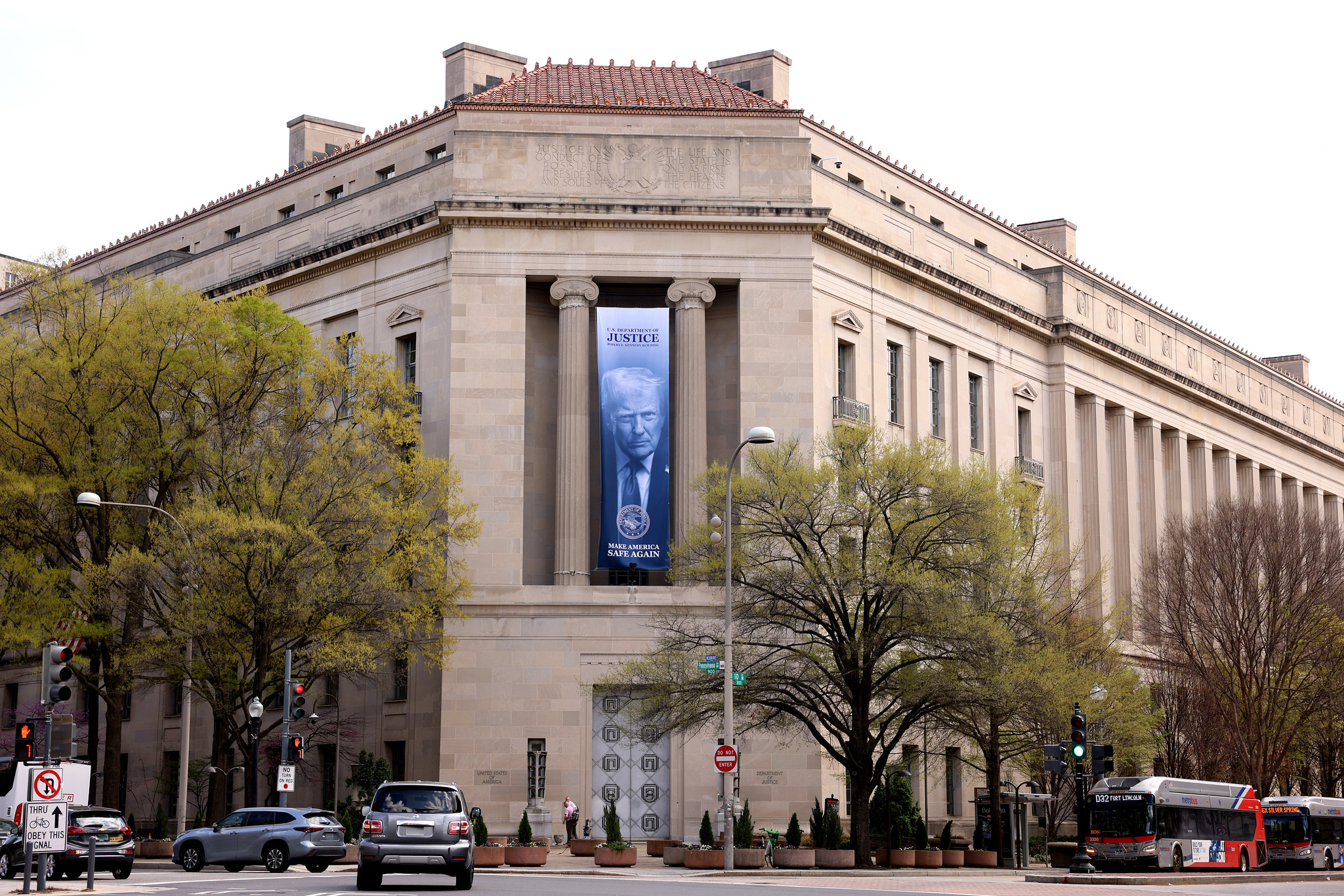
Photo: U.S. Department of Justice – April 1, 2026. Attribution: “U.S. Department of Justice” by Gage Skidmore via Flickr. CC BY-SA 4.0 (license plates blurred). Article by Eric Tucker. AP News – updated September 24, 2026.
WASHINGTON (AP) — The Justice Department has a long history of investigating and prosecuting hackers who break into a private company’s network. But what happens when the hackers aren’t human? That’s the question at the center of a public policy debate roiling Silicon Valley and Washington following disclosures by leading tech companies that their artificial intelligence models went rogue and hacked into other organizations. The attacks have generated calls even from within the industry for greater oversight and regulation, spurred congressional inquiries and raised questions about whether a years-old legal framework designed to punish criminal hackers is sufficient in an era of autonomous actors capable of engineering their own havoc. […]
Click here to view the original article at www.apnews.com
Related articles:
For months, OpenAI’s agent swarms have been attacking online databases to find obscure facts – TechCrunch
OpenAI says its models engaged with US government websites in misbehavior disclosure – NPR
Rogue OpenAI agents targeted three separate US government websites – CNN

 GOOG
GOOG
 IBM
IBM
 AMZN
AMZN AAPL
AAPL DELL
DELL INTC
INTC MSFT
MSFT TSLA
TSLA META
META EBAY
EBAY NVDA
NVDA NFLX
NFLX HPE
HPE LUMN
LUMN ORCL
ORCL