
Nature already invented biodegradable plastic. Scientists want to reverse engineer it.
1 min read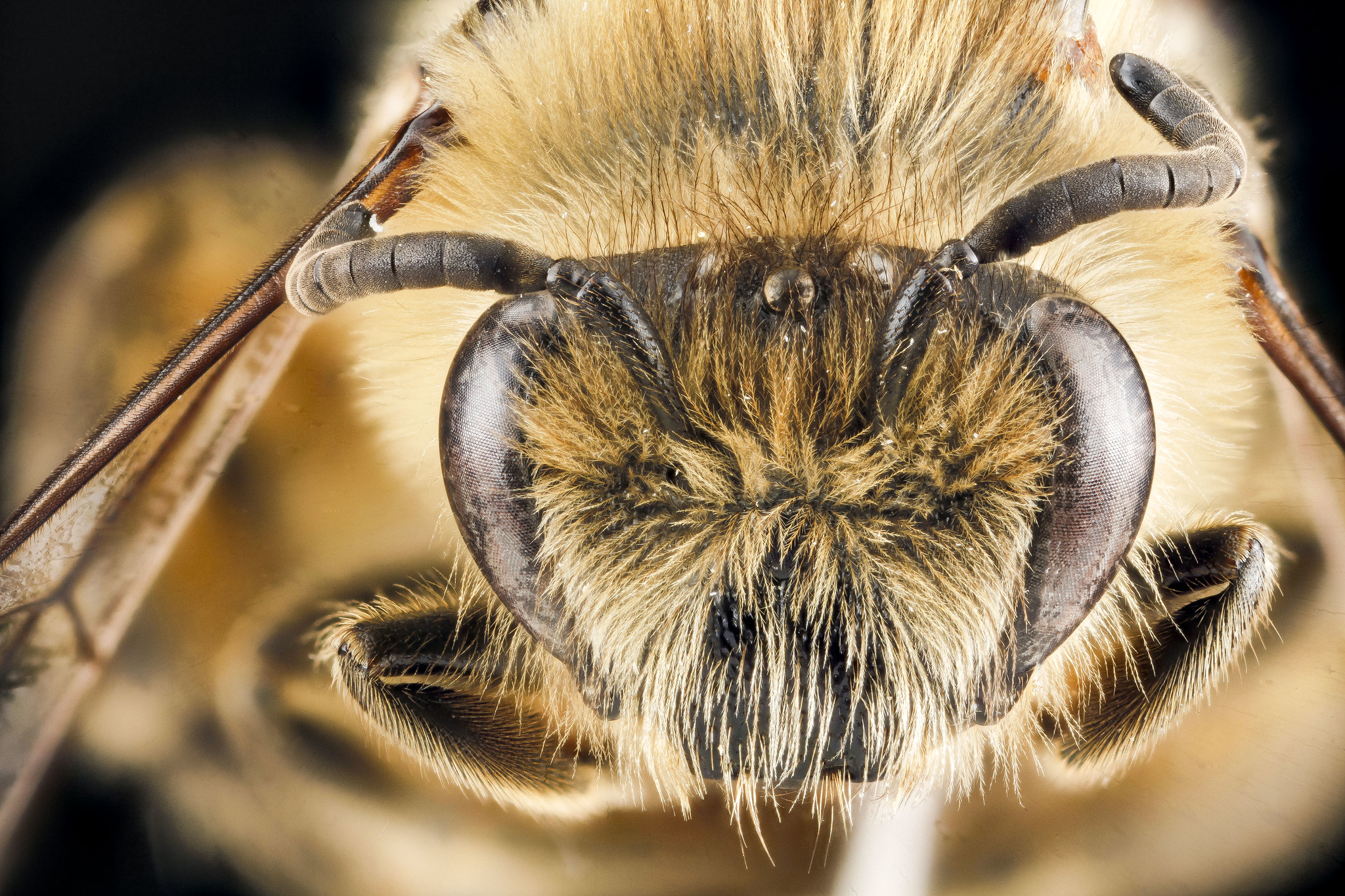
Photo: Colletes inaequalis, female, Prince George’s County, Maryland – September 1, 2012. Attribution: “Colletes inaequalis, female, face_2012-08-10-15” by USGS Bee Lab via Flickr Public Domain. Article by Sarah DeWeerdt. Anthropocene – November 3, 2026. Research article: “PNAS.”
Some bees line their nests with soft petals. Some line them with hardened tree sap. Some line them with a thin, flexible film composed of silk and polyester. And this latter group—known as cellophane bees—may hold the key to sustainable, biodegradable plastic, according to a new study. “Nature has already solved a problem that polymer scientists are still working on: a bioplastic that is chemically and physically similar to conventional plastics but doesn’t persist in the environment,” says study team member Jonathan Coote, assistant professor in the Department of Sustainable Biomaterials at Virginia Tech University. […]
Click here to view the original article at www.anthropocenemagazine.org




 GOOG

 IBM
 AMZN
 AAPL
 DELL
 INTC
 MSFT
 TSLA
 META
 EBAY
 NVDA
 NFLX
 HPE
 LUMN
 ORCL